Street smarts and book smarts: the case for AI that reaches everyone.
A degree from Brown taught me how the machine thinks. The blocks taught me how people decide, and AI only pays when both kinds of smart are in the room.
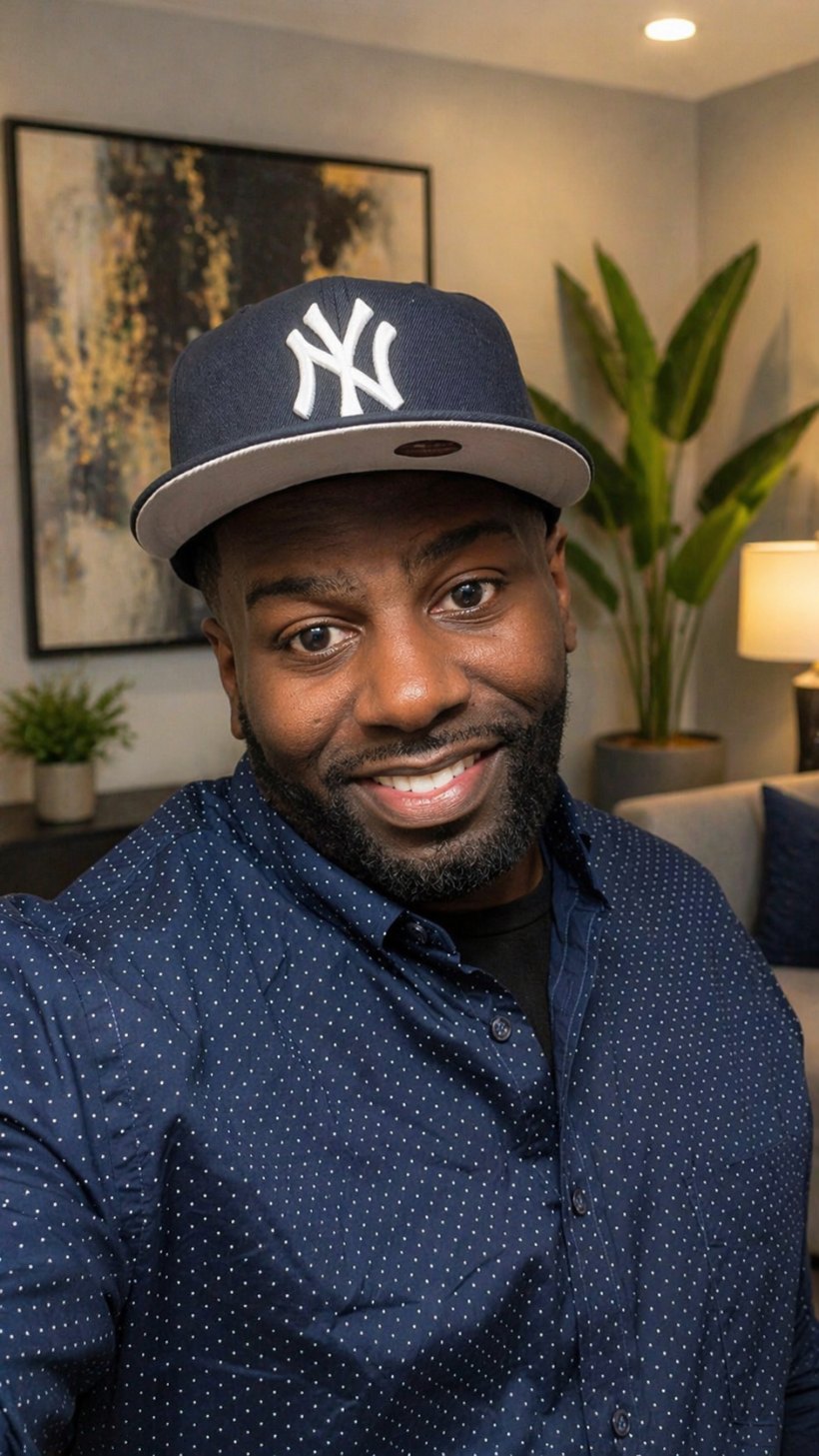

Two kinds of smart run everything I build. A computer science degree from Brown taught me how the machine thinks. The blocks taught me how people decide. For years, the tech industry counted only the first kind as real. The industry was wrong.
I have tested both at every altitude. I kept systems alive at planet scale as a Senior Site Reliability Engineer and a Senior Cloud Architect at Google. I turned data into revenue decisions at BMW and Fashion Nova. Today I work as a fractional Chief of AI out of Miami, and the most valuable thing I carry into any room is not the math. It is translation. I speak both business and machine, and I refuse to pick one.
So here is the claim I want to defend. The most important AI work is not happening at the frontier labs. It is happening in the neighborhoods deciding who gets to build.
The gap is not the model
Most people think the hard part of AI is the technology. It is not. The hard part is the gap between what a tool can do and what a busy owner believes it can do. Value dies in that gap every single day.
I walked rooms at Google where leadership did not speak the technology. Smart people. Serious budgets. Real urgency. They still needed someone to turn machine ability into a decision they could sign. If that gap exists inside Google, picture it inside a barbershop. Picture it inside a two-partner law office where every contract still gets typed from scratch. The owner is not behind because she is slow. She is behind because nobody translated.
It is the same gap in every room. Only the stakes change. The enterprise loses a quarter. The owner loses the year.
Translation is not making things simple for simple people. It is the opposite. It is respect. A busy owner does not need a lecture on how the models work. She needs to know what the tool does, what it costs, and what it returns by Friday. Answer those three questions in plain words and the technology sells itself.
Closing that gap is the job I described in my essay on the fractional Chief of AI. One operator who speaks both business and machine, embedded with a team until the team runs without me. The title sounds corporate. The skill is much older than the title. Every neighborhood has one person who explains the system to everybody else. The lease. The license. The loan paperwork. I grew up watching those translators work. Now I do the same job with AI.
Neighborhoods decide who gets to build
Frontier labs earn the headlines. They train the models, publish the benchmarks, and push the limits of what is possible. They decide what AI can do. That work matters, and I respect it.
But they do not decide who gets to use it. That decision gets made much closer to the ground. It gets made by whoever stands in front of a room and explains the tool in words a working person can act on the same day.
The actual access stack is short. A free tier and plain language. That is the whole stack. The strongest AI tools on the market cost nothing to start using. The missing piece is belief, and belief gets built face to face.
That is why I run GP Tuesdays, free weekly AI training for the Miami entrepreneurs the industry skips. It is why I teach Overtown teens to build with free AI tools. The same lesson shows up every session. Strip out the jargon and the price tag, and people build fast. Often faster than the companies I advise.
A GP Tuesday looks nothing like a tech conference. No badges. No buzzwords. An owner walks in with a real problem, and we build the fix together on a free tool before the session ends. She leaves with a working system and the confidence to change it later. That confidence is the product. The software is just proof.
The market everyone skipped
Now the part people get wrong. This work is not charity. It is a market read.
The businesses everyone skipped are an underserved market. Millions of owners still run on paper, spreadsheets, and memory. Nobody built for them because nobody believed they would pay. History keeps grading that belief, and it keeps failing. Every skipped market eventually minted the people who took it seriously.
Plain-language AI for these owners is that kind of opening. A barber whose bookings run themselves. A solo lawyer who drafts in minutes instead of nights. A food truck that answers every customer message while the owner cooks. Each win looks small on its own. Stack those wins across a city and you get new wealth where the industry saw nothing worth building.
Run the numbers and the read holds. Small businesses make up most of the companies in any American city. Get one working AI system into even a fraction of them, and the gains show up as rent paid, staff hired, and hours handed back to families. Investors chase smaller markets than that every single week.
I build at both ends of this on purpose. I ship production agent systems at iExcel, and I built Claresto.com. The architecture I design for companies is the same architecture I translate for owners. One job. Two languages.
Three rules for reaching everyone
Reaching everyone sounds soft until you turn it into practice. My practice has three rules.
Teach in plain language. If an explanation needs a glossary, it is not an explanation. Every tool gets taught the same way in my rooms. Here is the job it does. Here is the button. Here is what it saves you this week.
Price in reach. Free tools come first, always. The free tiers on the major AI platforms can carry a small business through its first working system without a single invoice. When a paid tool enters the plan, it has to earn its cost back fast or it gets cut.
Measure in first dollars earned. Not attendance. Not certificates. The number I track is the first dollar a student earns with what I taught them. First dollars change minds for good. Nobody who has been paid because of AI goes back to calling it hype. I have watched it happen in real time. An owner sends her first AI-drafted quote, wins the job, and starts asking sharper questions than half the executives I brief. The dollar did the teaching.
The metric is not how many people heard about AI. The metric is who got paid because of it.
The receipts came along the way. A Miami Herald front page. A Black Enterprise Top 10 Under 35 in Tech. An Adobe AI Change Maker title. I list them for one reason. They prove the method travels, from a Google conference room to a folding table in Overtown.
The case in one line
Here is the whole case in one line. The smartest model on earth creates nothing until a person with a real problem picks it up, and most of those people will never set foot in a frontier lab.
Book smarts built these tools. Street smarts will decide what they are worth. The winning move, for a company or a city, is putting both kinds of smart in the same room and letting them work. That is the job I chose. In Miami. In plain language. With the door open.
If you want a translator in your corner, the next step is simple. Book a strategy call.

Fractional Chief of AI in Miami. Ex-Google Cloud Architect, ex-BMW ML. I help companies put AI to work, and teach the next generation to build with it.


